When I think of fall flowers, asters are always near the top of the list. They’re a staple of the September garden here in Zone 6B, and I’m determined to bring more of them back into my landscape.
Last year, I bought a few perennial asters, but after rearranging my gardens and moving them, I lost track of them. Finally at the end of September, I saw some plants with purple buds peeking through some other perennials. The transplanting combined with the extra warmth this season probably delayed their blooming period. Now I can move them to my daisy garden. With their cheerful yellow centers, asters echo the look of daisies and extend the bloom season well into fall.
Most big box stores sell shorter aster varieties that are perfect for borders. They’re pretty, but what I really want are the tall New England asters, which can reach 3–6 feet and make excellent cut flowers. I often see them growing wild along side country roads. To get those, I’ll probably have to start them from seed. I’m already imagining tall purple clouds swaying in the breeze and filling late-season bouquets.
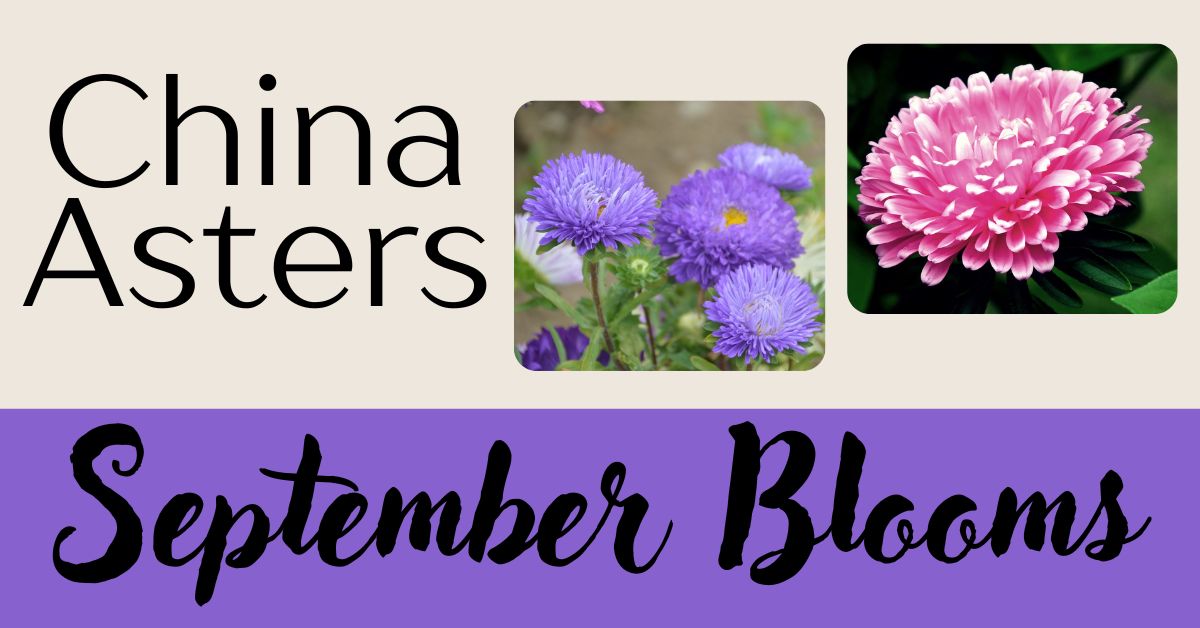
In the meantime, my cut-flower garden is filled with China asters—annual cousins of the perennial asters. These grow like fluffy pompoms in shades of purple, pink, and white. I’ve been starting them from seed for the past two years, and they never disappoint. September brings a profusion of blooms—dark purple, lavender, soft pink, and pure white.
My only challenge is that as I cut them for bouquets, the repeat blooms come back with shorter stems. By the end of the season, they’re too short to use. Next year, I may plant a larger patch or try succession planting to keep the blooms coming with longer stems.
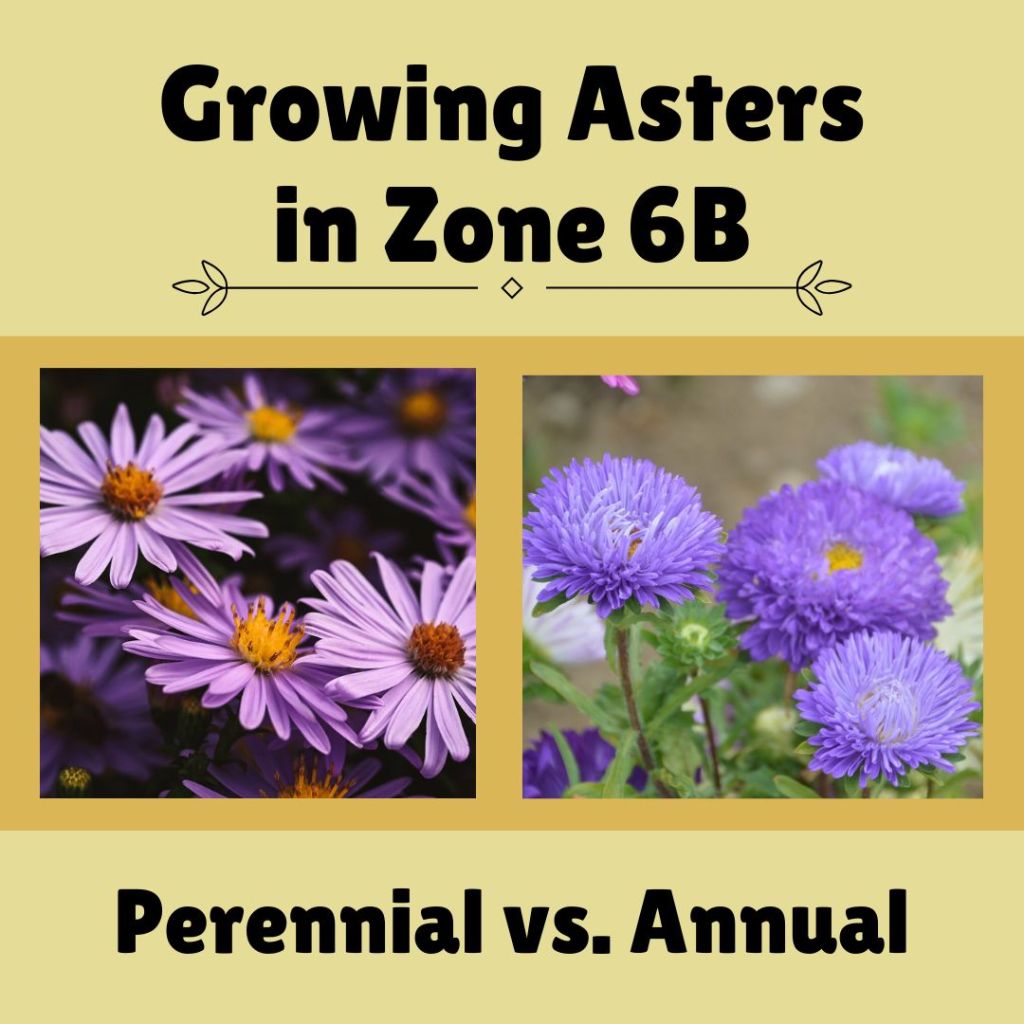
I love growing both types—perennial asters that return year after year, and annual China asters that fill my bouquets with pompom-style blooms.
Growing Tips for Asters
- Sunlight: 6–8 hours of direct sun each day
- Soil: Well-draining, loamy soil enriched with compost
- Amendments: Since my soil is very sandy, I’ve been adding composted cow manure to improve it
Asters—whether perennial or annual—add a burst of joy to the September garden. I’m excited to keep experimenting with different varieties and finding the best ways to enjoy them in bouquets and borders alike.
Which ones do you grow in your garden—perennials, annuals, or both?
Discover more from The Shy Garden
Subscribe to get the latest posts sent to your email.
